IRATA COURSES & SYLLABUS
internationally recognised. seriously hands on.
Fresh to the game or a seasoned hand chasing your next ticket — this is where you get qualified. IRATA Industrial Rope Access Training is recognised the world over and it's the benchmark everyone in the industry measures up against. Our courses are open to all three levels—IRATA Level 1, Level 2 and Level 3—so wherever you're at, there's a spot on the ropes with your name on it.
LEVEL 1
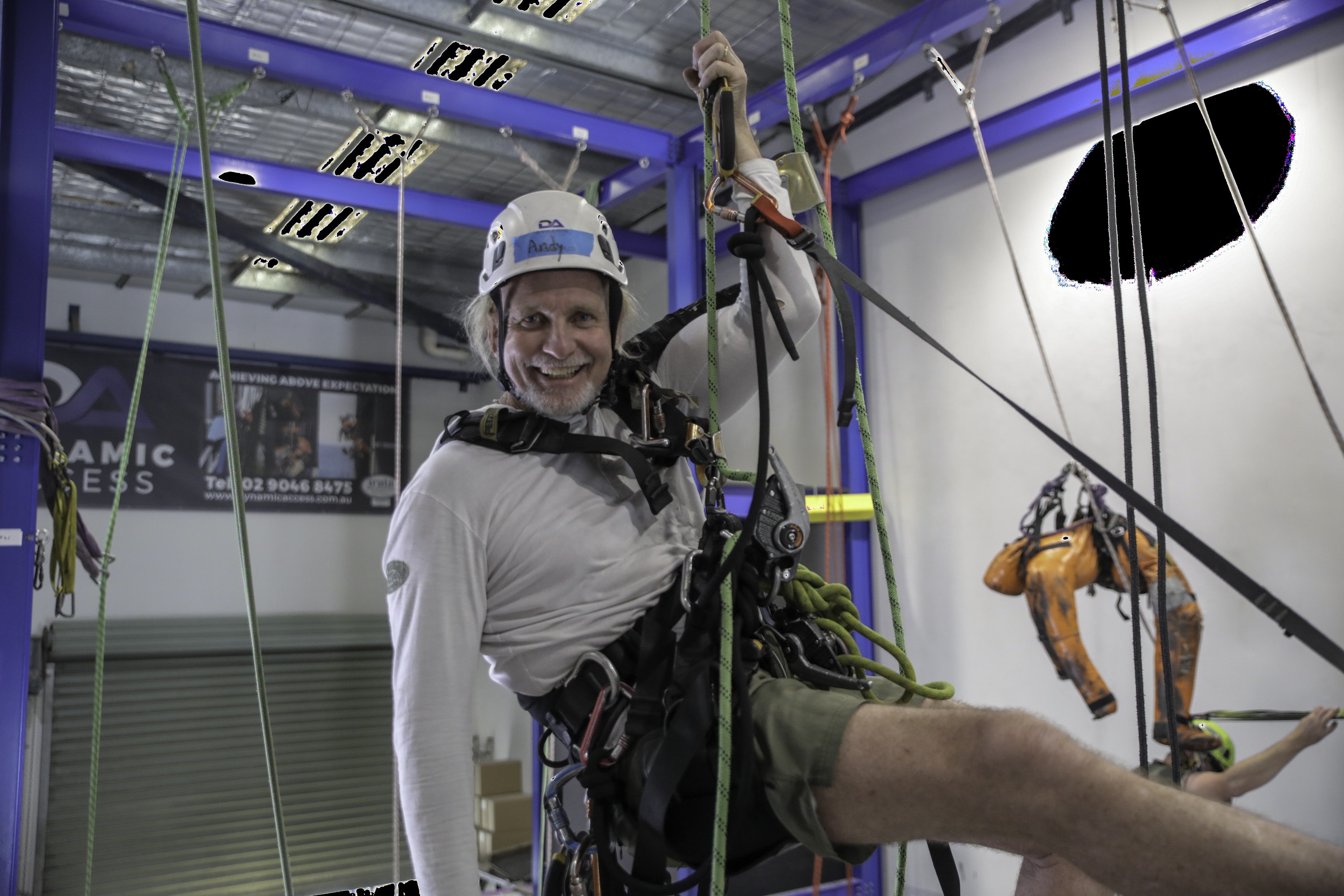
New to the ropes
Perfect for anyone new to the industry or those wishing to revalidate an existing qualification.
BOOK NOW
LEVEL 2
STEP IT UP
Ideal for Level 1 technicians wanting to upgrade their existing qualification or Level 2 personnel who wish to revalidate.
BOOK NOW
LEVEL 3
TAKE CHARGE
Designed for Level 2 technicians wanting to scale up, or existing Level 3 ticket holders who wish to revalidate.
BOOK NOWIRATA INTERNATIONAL TRAINING
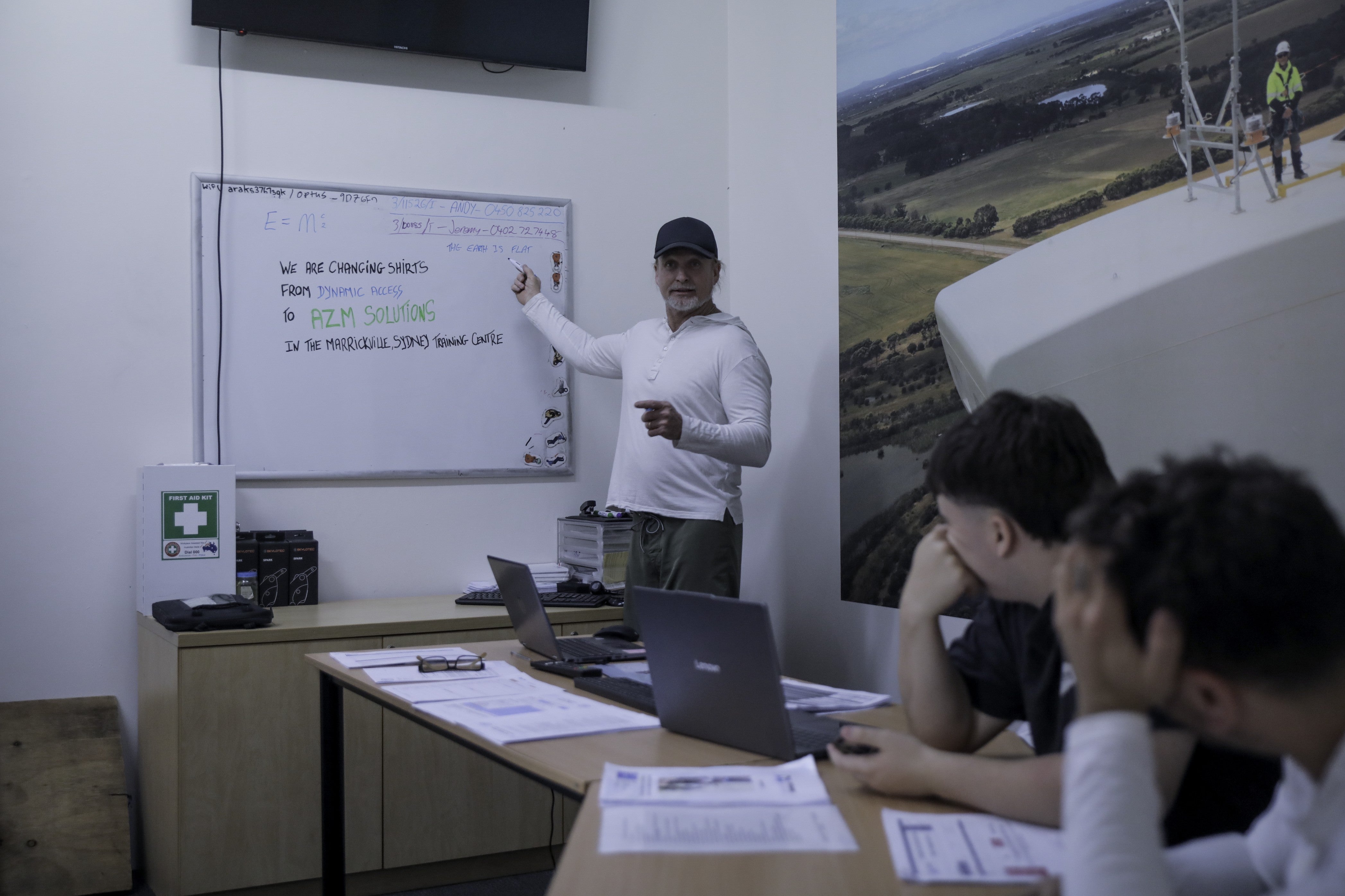
Our courses run out of our purpose-built training facility in the heart of Marrickville, NSW. The centre offers students the very best equipment, training structures and exposure to real-world working environments, with the highest standard of course content delivered by qualified IRATA International instructors who continue to work in-industry, offering real-time and relevant guidance in the development of rope access operational skills.
As an IRATA International member company, all IRATA training is conducted in accordance with the IRATA Training, Assessment and Certification Scheme.
WHAT YOU NEED TO KNOW
COURSE REQUIREMENTS
To ensure a safe work environment, candidates must have an appropriate attitude alongside fitness and physical capability. An appraisal can be arranged with AZM Solutions if you are unsure. Rope access work is often remote and far from outside help, meaning a respect for heights and responsible behaviour is required to prevent incidents. AZM Solutions reserves the right to exclude any candidate from training if there are concerns over their fitness or attitude. Candidates must also be at least 18 years of age.
Candidates need to be physically fit and unaffected by any disability or medical condition that prevents them from working safely, and are required to certify that they do not have any medical disabilities via a self-certification (completed on the first day of training). It is recommended that any condition has a medical certificate or doctor's note to show potential employers that it won't affect their work at height. Any long-term condition should be re-assessed medically to ensure appropriate medical condition.
Candidates applying for a re-register or upgrade course should be competent in all practical as well as theoretical requirements for their current level, and should be capable of performing all techniques and answering questions at that level. Those deemed not competent at their existing level may require additional training.
Candidates looking to upgrade need to ensure their certificate is valid on the day of assessment, and that they have at least one year's experience alongside 1,000 working hours signed off correctly in their IRATA logbook. Lost logbooks can be replaced via IRATA. Technicians should present their logbook to the TMC at the beginning of the course for revalidations or upgrades.
what next
Where the ropes take you
Rock stabilisation
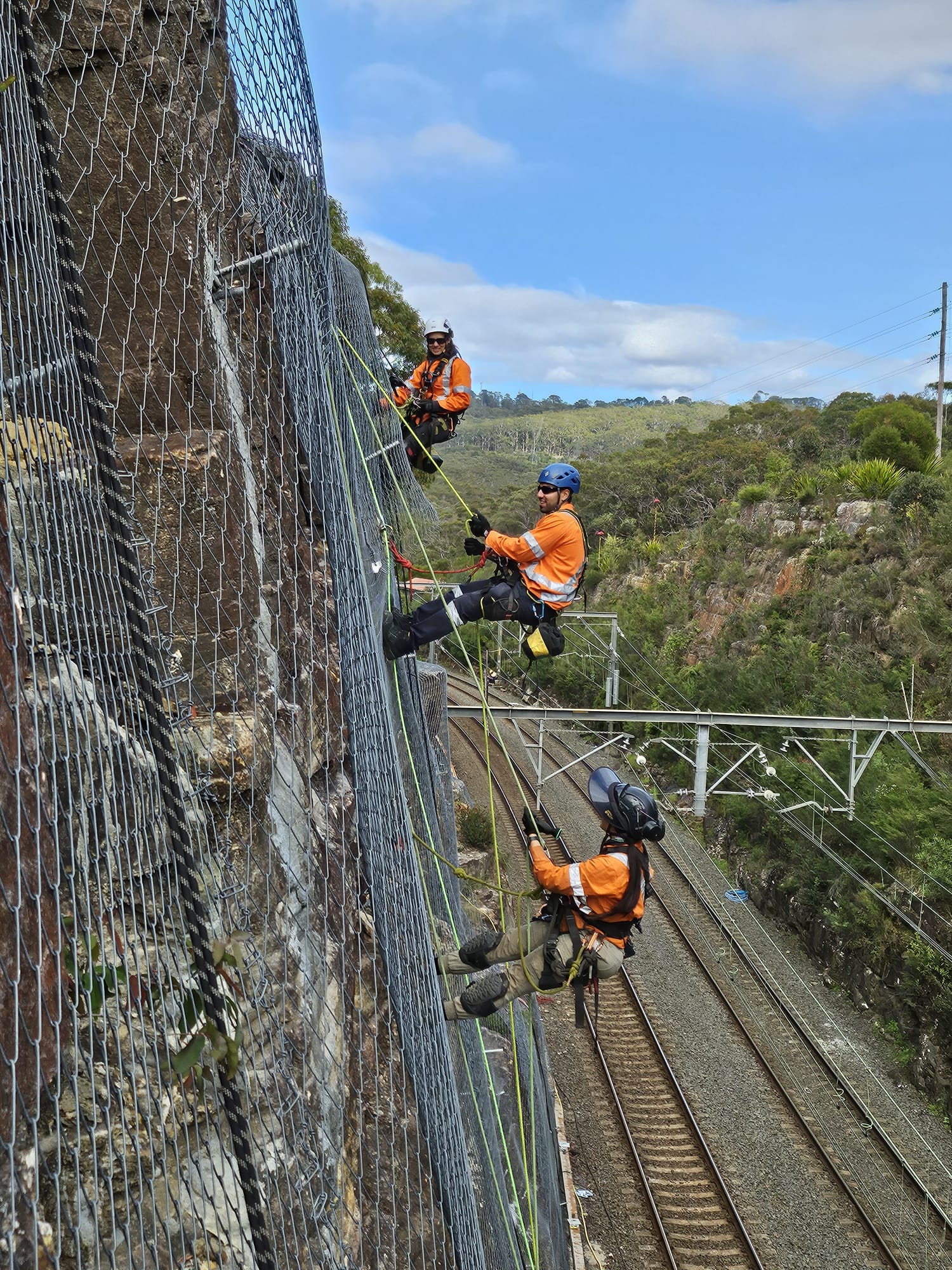
Tame the cliff face, mesh, bolt and shotcrete unstable slopes so the roads, rail and towns below stay safe.
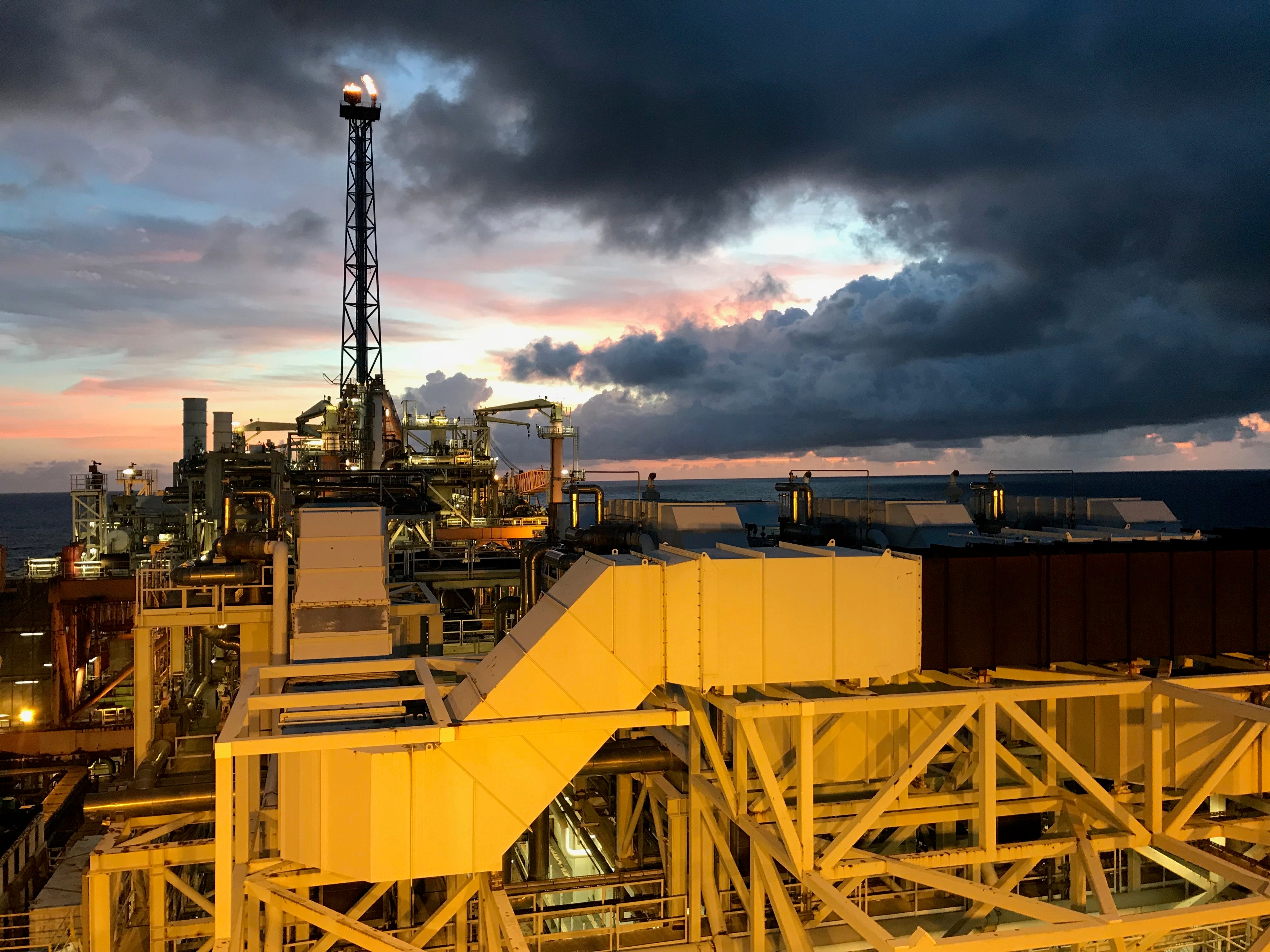
Offshore
Trade the office for the open ocean, maintaining rigs, platforms and wind turbines miles from shore.
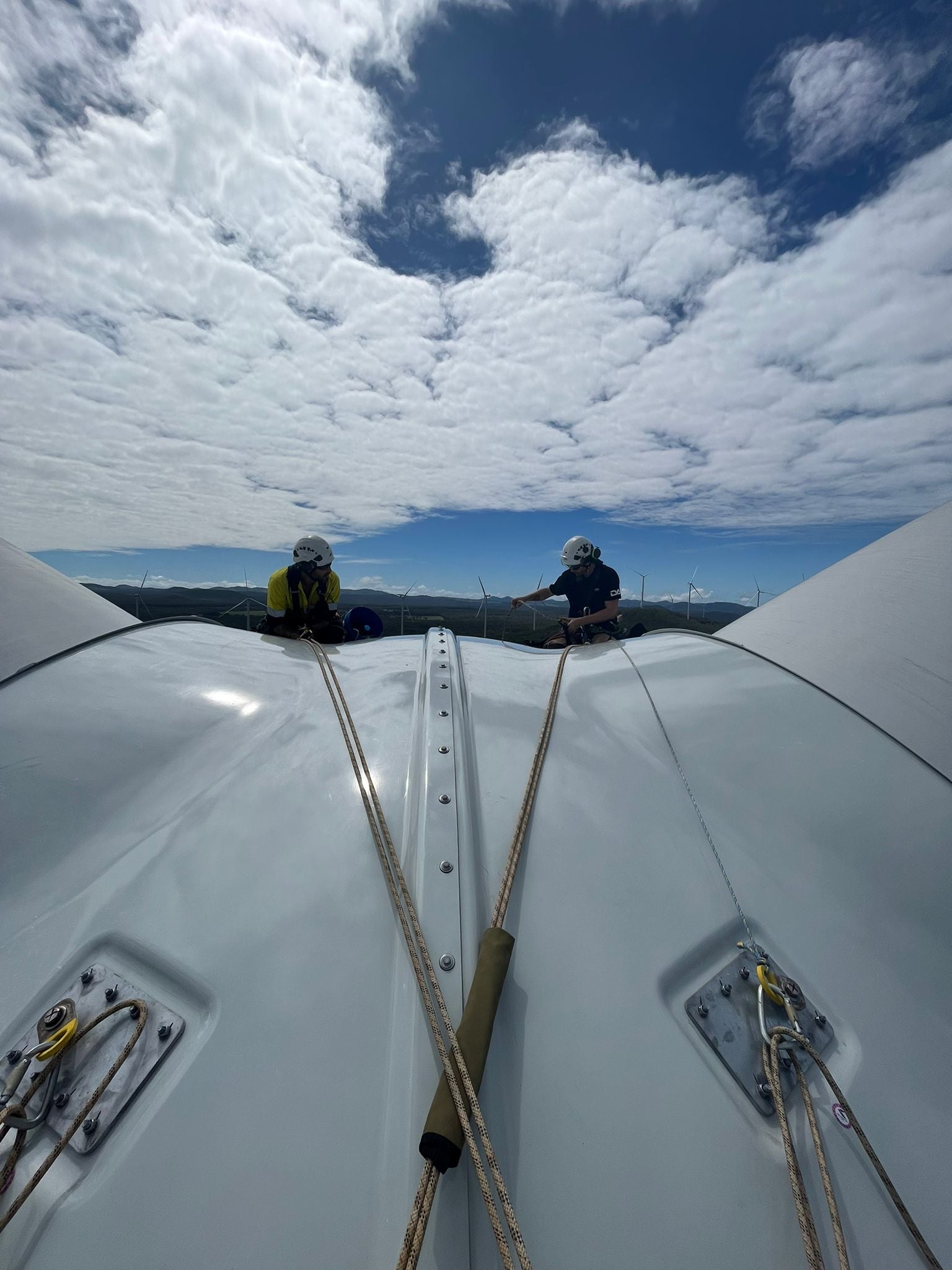
Onshore heavy industry
Refineries, plants and processing towers, keep heavy industry running from the very top down.
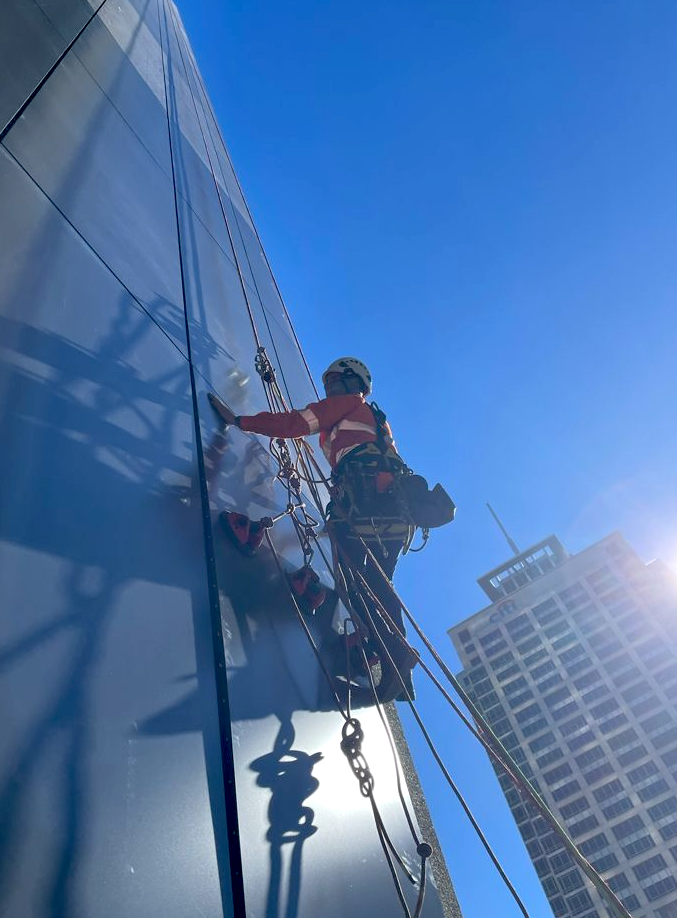
City
Own the skyline, abseil the glass towers most people only ever crane their necks to look up at.
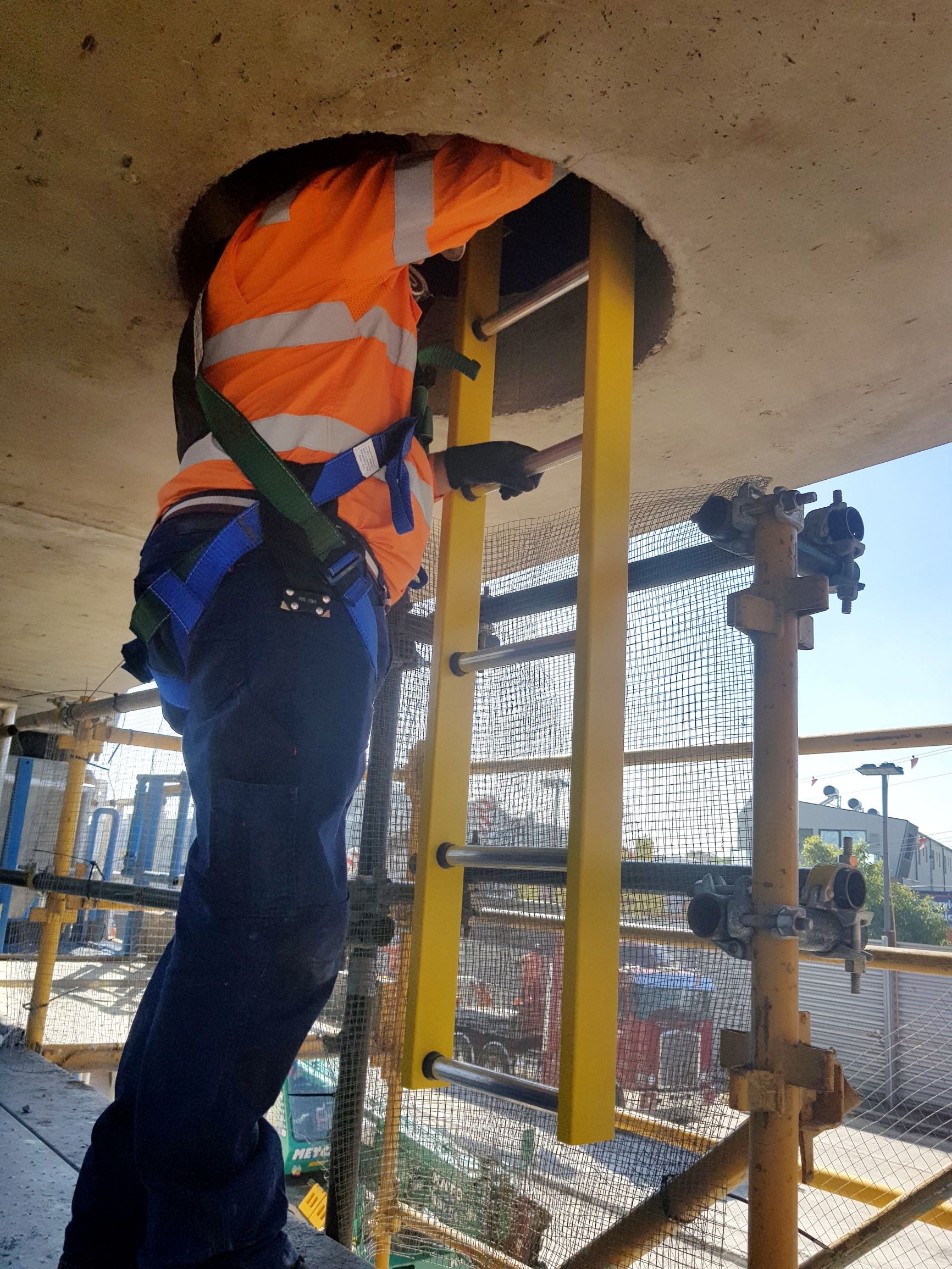
Confined space
Go where no ladder fits, inspecting and working the tanks, shafts and silos nobody else can reach.
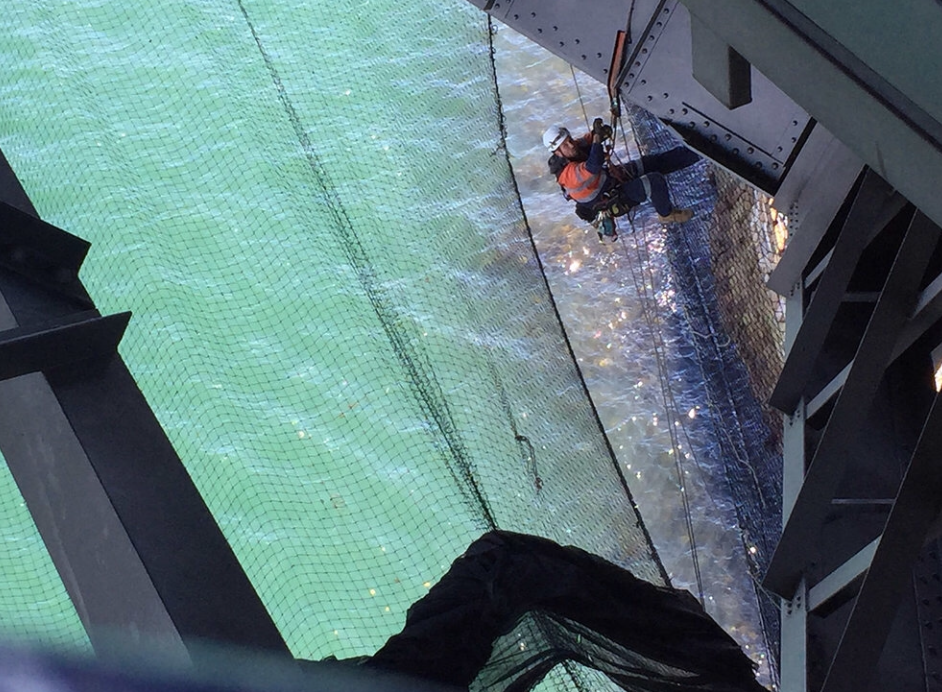
Engineering inspection
Bridges, dams and stadiums, be the eyes that spot the problem before it ever becomes one.
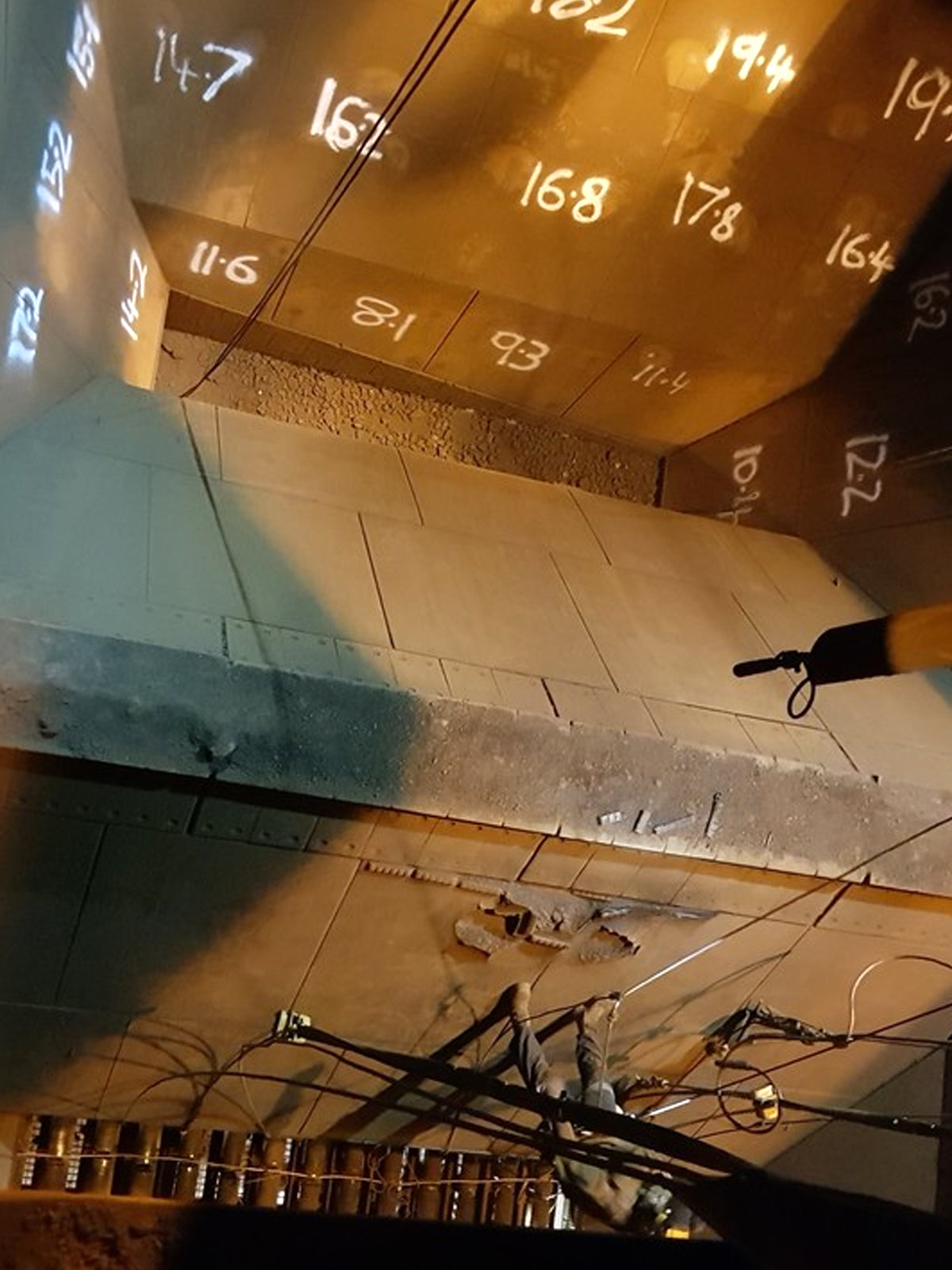
NDT testing
Find the flaw you can't see, non-destructive testing that catches cracks long before they spread.
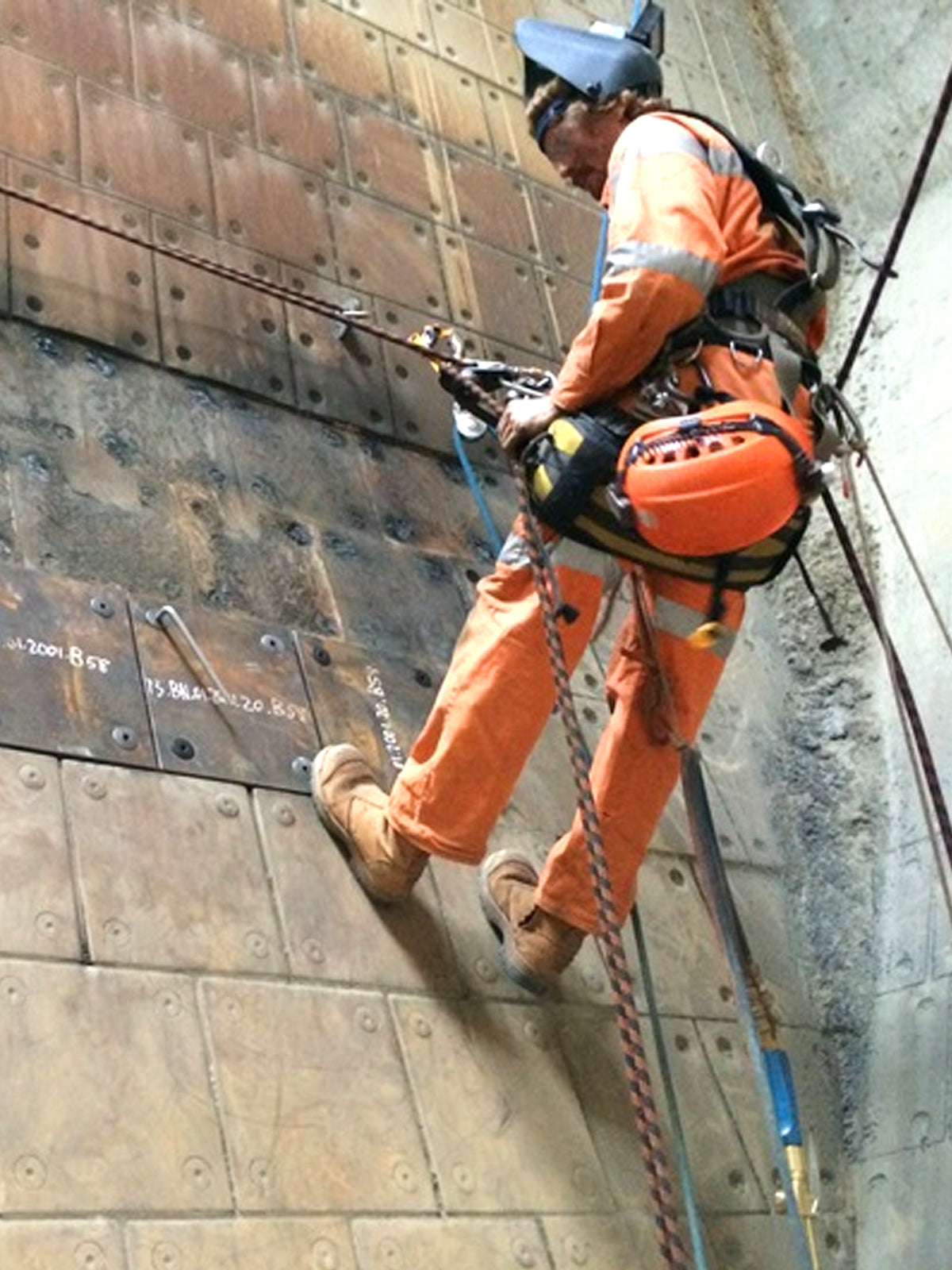
Remedial
Patch, seal and restore, bringing tired concrete and failing façades back to life, no scaffold required.
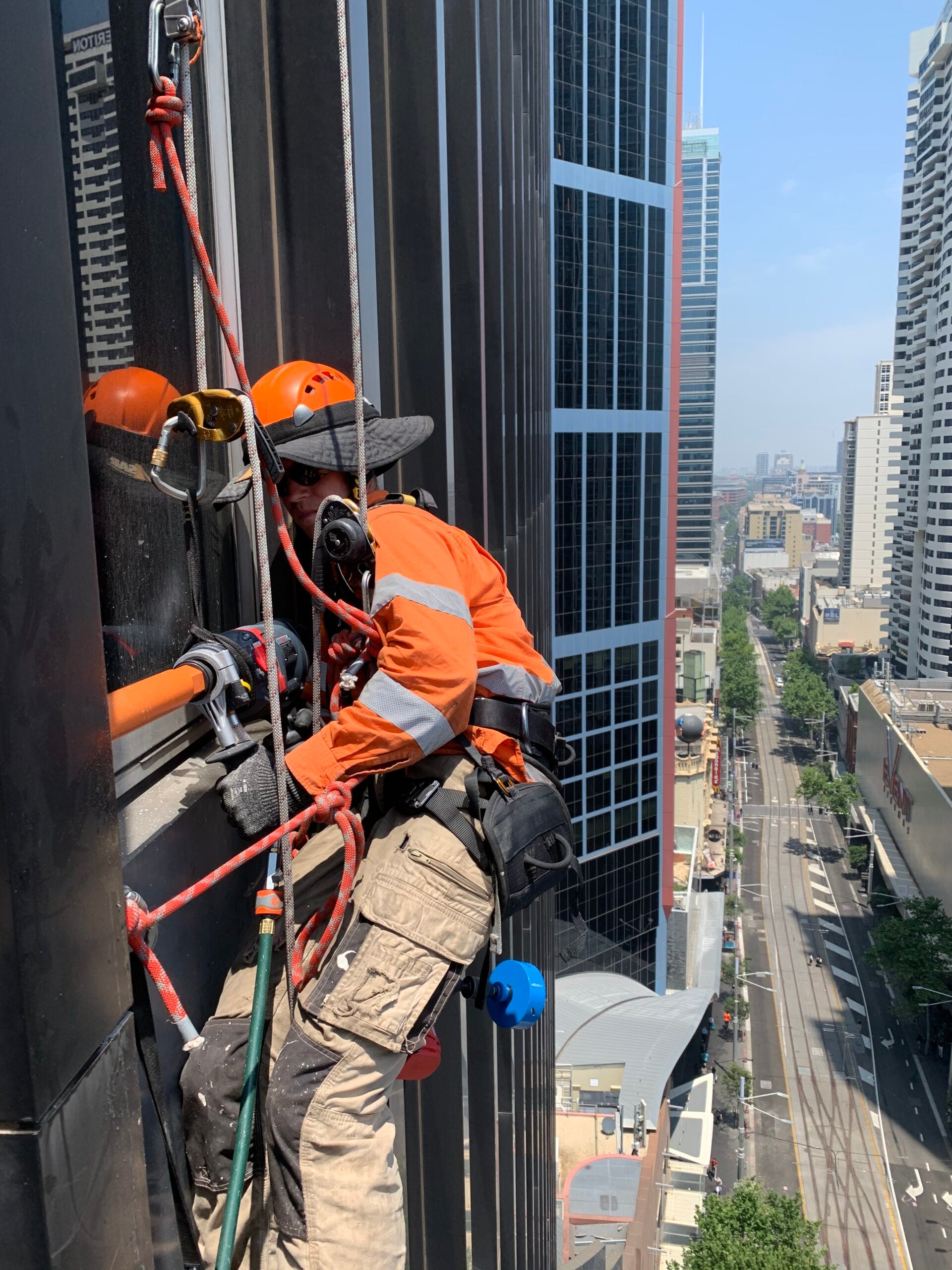
Building facade cleaning
Make the skyline shine, cleaning the faces of buildings from a rope, not a cradle.
MORE INFO
Frequently Asked Questions
The course consists of a minimum of four days of training, followed by one day of assessment by an accredited IRATA International Assessor.
IRATA qualifications are valid for three years from the date of successful assessment. Qualifications must be revalidated every three years.
Technicians may upgrade their qualification when they meet the minimum requirements for each level of qualification attained.